
Product Center
-
● Automatic inspection machine for particulate matter in ampoules
-
● Automatic inspection machine for oral liquid foreign objects
-
● Automatic inspection machine for lyophilized preparations in vials
-
● Automatic foreign object inspection machine for plastic bottle intravenous infusions
-
● Electronic microporous leak detector for ampoule injections
-
● Fully automatic electronic microporous leak detector for infusion
-
● Automatic foreign object inspection machine for glass bottle intravenous infusions
-
● In-line plastic ampoule electronic micro-hole leak detector
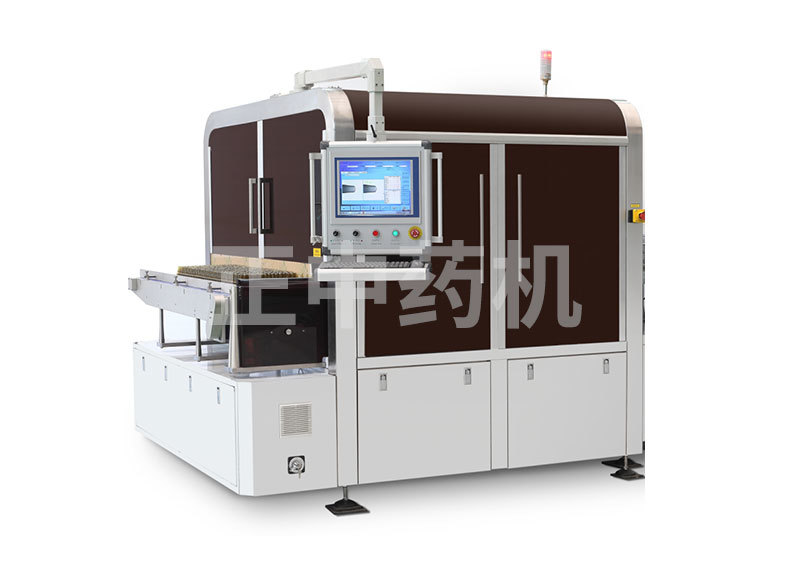
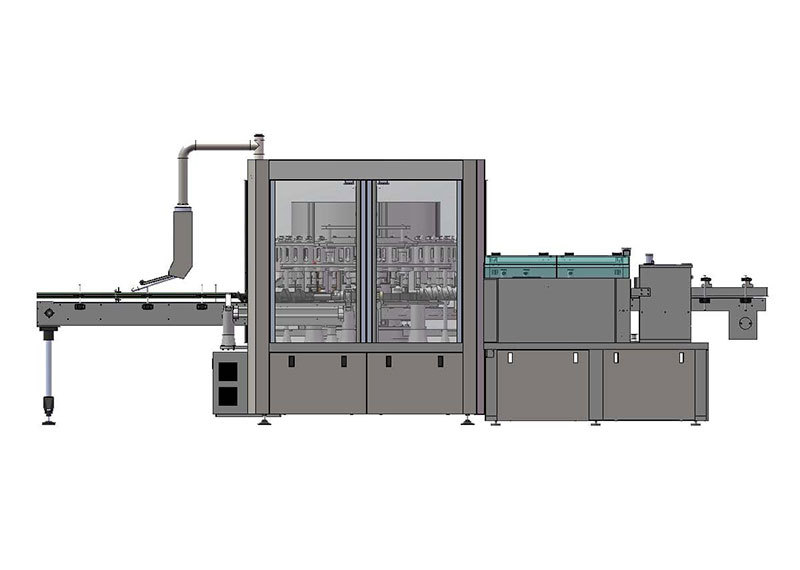
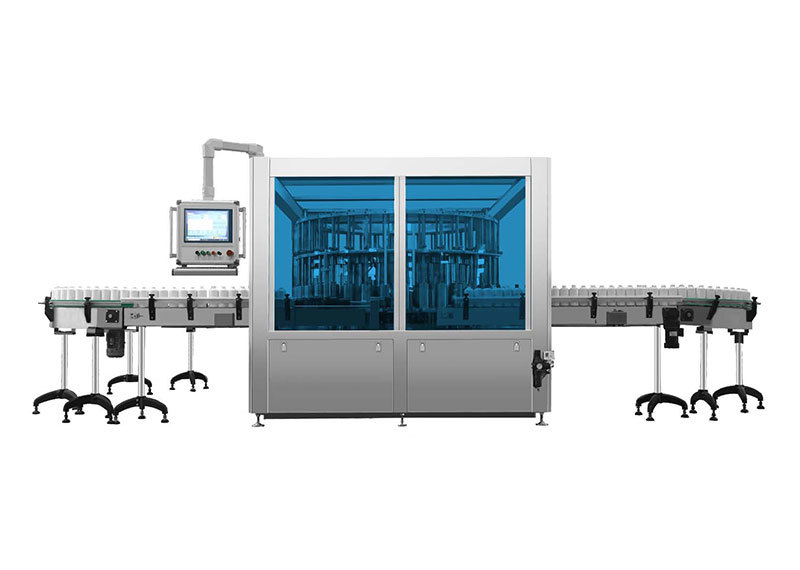
JSZ200/500 Glass Bottle Large Infusion Foreign Object Automatic Inspection Machine
Mainly engaged in the research and development of ceramic new material valves, with metal valves (gate valves, globe valves, ball valves, butterfly valves) as a secondary business. Ceramic valves have been successfully applied in many new energy battery material plants, thermal power plants, nuclear power plants, chemical plants, steel plants, coal chemical industry, polysilicon and other industries, and have been listed as special-purpose products, contributing to energy conservation and environmental protection for enterprises and society.
Category
Automatic foreign object inspection machine for glass bottle intravenous infusions

Details
Main Uses
Primarily used for the automated detection of foreign objects (including glass shards, metal particles, hair, fibers, white spots, white lumps, etc.), as well as level and cap-sealing defects, in large-volume parenteral solutions produced by pharmaceutical factories. It can also be applied to detect foreign contaminants in glass bottles containing alcoholic beverages and other beverage products.
Main Structure and Operating Principle
Includes racks, bottle conveying tracks, turntables, bottle-infeed devices, bottle-rotating mechanisms, braking systems, servo-tracking mechanisms, inspection systems, and bottle-outfeed devices.
Using machine vision principles, this system automatically detects whether there are any visible foreign objects in the liquid medicine contained within glass bottles. The infusion bottles enter the system via a bottle conveyor track and are then transferred to an indexing wheel, which moves them into the rotary inspection station. As the bottles rotate along with the turntable, a bottle-rotating mechanism spins them at high speed. When a bottle reaches the photoelectric detection zone, a braking mechanism instantly halts its rotation—while the liquid inside continues to swirl due to inertia. Meanwhile, multiple high-speed industrial cameras capture rapid, continuous multi-frame images of the liquid at various inspection stations. An industrial computer analyzes these captured images to determine whether foreign objects are present or if the liquid level meets the required specifications. Based on the analysis results, a bottle-ejection device automatically removes any non-conforming products from the production line.
Main Technical Parameters
1. Application Range: 50–500 mL Glass Bottles
2. Inspection items: glass shards, metal particles, hair, fibers, liquid level, and capping defects.
3. Detection accuracy: ≥40 μm
4. Detection Speed: 200–300 bottles per minute (±5%)
5. Capacitance: 6.5 kW, AV 380V, 50 Hz
6. Workbench height: 900mm
7. External dimensions (excluding track): 2360mm × 1870mm × 2000mm (L × W × H)
Key Features
1. Utilizing multiple patented technologies (see "Patented Technologies" under "Manufacturing & Quality" on the company website)
2. Highly versatile, capable of meeting production needs for products in various sizes ranging from 50 to 500 mL.
3. Detection accuracy is adjustable, meeting the diverse requirements of pharmaceutical production.
4. Employing an advanced servo tracking system ensures that the captured images are complete and accurate, thereby enhancing detection precision.
5. Utilizing high-resolution industrial cameras ensures excellent visibility of visible foreign objects, delivering detection accuracy that far surpasses manual visual inspection with lamps.
6. Capable of storing inspection data for a certain period and equipped with a printing interface. Process parameters are traceable and meet GMP requirements.
7. Equipped with advanced servo systems, photoelectric control, image processing, and industrial computers, the inspection software is independently developed by the company, showcasing a high degree of智能化 (smart integration).
8. The KNAPP testing procedure, recognized by the European Pharmacopoeia and the U.S. FDA, ensures the validity of the test results.
Mainly engaged in the research and development of ceramic new material valves, with metal valves (gate valves, globe valves, ball valves, butterfly valves) as a secondary business. Ceramic valves have been successfully applied in many new energy battery material plants, thermal power plants, nuclear power plants, chemical plants, steel plants, coal chemical industry, polysilicon and other industries, and have been listed as special-purpose products, contributing to energy conservation and environmental protection for enterprises and society.
Main Uses
Primarily used for the automated detection of foreign objects (including glass shards, metal particles, hair, fibers, white spots, white lumps, etc.), as well as level and cap-sealing defects, in large-volume parenteral solutions produced by pharmaceutical factories. It can also be applied to detect foreign contaminants in glass bottles containing alcoholic beverages and other beverage products.
Main Structure and Operating Principle
Includes racks, bottle conveying tracks, turntables, bottle-infeed devices, bottle-rotating mechanisms, braking systems, servo-tracking mechanisms, inspection systems, and bottle-outfeed devices.
Using machine vision principles, this system automatically detects whether there are any visible foreign objects in the liquid medicine contained within glass bottles. The infusion bottles enter the system via a bottle conveyor track and are then transferred to an indexing wheel, which moves them into the rotary inspection station. As the bottles rotate along with the turntable, a bottle-rotating mechanism spins them at high speed. When a bottle reaches the photoelectric detection zone, a braking mechanism instantly halts its rotation—while the liquid inside continues to swirl due to inertia. Meanwhile, multiple high-speed industrial cameras capture rapid, continuous multi-frame images of the liquid at various inspection stations. An industrial computer analyzes these captured images to determine whether foreign objects are present or if the liquid level meets the required specifications. Based on the analysis results, a bottle-ejection device automatically removes any non-conforming products from the production line.
Main Technical Parameters
1. Application Range: 50–500 mL Glass Bottles
2. Inspection items: glass shards, metal particles, hair, fibers, liquid level, and capping defects.
3. Detection accuracy: ≥40 μm
4. Detection Speed: 200–300 bottles per minute (±5%)
5. Capacitance: 6.5 kW, AV 380V, 50 Hz
6. Workbench height: 900mm
7. External dimensions (excluding track): 2360mm × 1870mm × 2000mm (L × W × H)
Key Features
1. Utilizing multiple patented technologies (see "Patented Technologies" under "Manufacturing & Quality" on the company website)
2. Highly versatile, capable of meeting production needs for products in various sizes ranging from 50 to 500 mL.
3. Detection accuracy is adjustable, meeting the diverse requirements of pharmaceutical production.
4. Employing an advanced servo tracking system ensures that the captured images are complete and accurate, thereby enhancing detection precision.
5. Utilizing high-resolution industrial cameras ensures excellent visibility of visible foreign objects, delivering detection accuracy that far surpasses manual visual inspection with lamps.
6. Capable of storing inspection data for a certain period and equipped with a printing interface. Process parameters are traceable and meet GMP requirements.
7. Equipped with advanced servo systems, photoelectric control, image processing, and industrial computers, the inspection software is independently developed by the company, showcasing a high degree of智能化 (smart integration).
8. The KNAPP testing procedure, recognized by the European Pharmacopoeia and the U.S. FDA, ensures the validity of the test results.
Next Page
Next Page
Related Products
Inquiry