
Product Center
-
● Automatic inspection machine for particulate matter in ampoules
-
● Automatic inspection machine for oral liquid foreign objects
-
● Automatic inspection machine for lyophilized preparations in vials
-
● Automatic foreign object inspection machine for plastic bottle intravenous infusions
-
● Electronic microporous leak detector for ampoule injections
-
● Fully automatic electronic microporous leak detector for infusion
-
● Automatic foreign object inspection machine for glass bottle intravenous infusions
-
● In-line plastic ampoule electronic micro-hole leak detector
ZJL Vacuum Decay Leak Detection Machine
Mainly engaged in the research and development of ceramic new material valves, with metal valves (gate valves, globe valves, ball valves, butterfly valves) as a secondary business. Ceramic valves have been successfully applied in many new energy battery material plants, thermal power plants, nuclear power plants, chemical plants, steel plants, coal chemical industry, polysilicon and other industries, and have been listed as special-purpose products, contributing to energy conservation and environmental protection for enterprises and society.
Category
Vacuum decay leak detector
Keyword

Details
Main Uses
The vacuum decay leak detector is primarily used for sealing integrity testing of solid and liquid-packed products. It is suitable for packaging containers made from both transparent and opaque materials.
Structural Principle
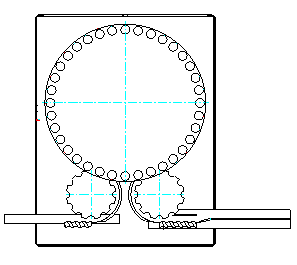
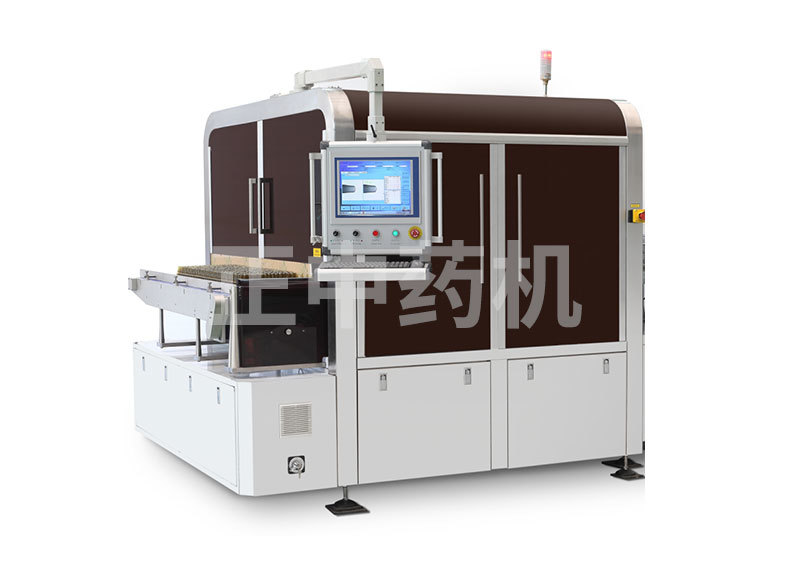
This machine primarily consists of components such as the bottle-in mechanism, rotary inspection area, bottle-out mechanism, bottle-dividing mechanism, frame, and control operating system.
The packaging container to be tested is delivered to the test chamber in the rotary inspection area. After the machine seals the test chamber, it evacuates the air inside. The pressure difference between the inside and outside of the container causes gas from within to flow through any existing leaks into the test chamber. A differential pressure sensor connected to the test chamber then detects the resulting change in pressure. This measured pressure value is compared with the pressure reading from a leak-free packaging container connected to the other end of the differential pressure sensor. Based on the magnitude of the differential pressure detected, the system determines whether the container has a leak. Finally, a bottle-ejection device automatically sorts the合格品 (qualified products) from the 不合格品 (non-qualified products).
Work Flow
Its workflow can be summarized as follows: Test-ready packaging containers → In-feed bottle track → In-feed screw conveyor → In-feed bottle indexing wheel → Rotary inspection station → Vacuum decay leak detection → Out-feed bottle indexing wheel → Out-feed screw conveyor → Bottle diverter that sorts合格品 (qualified products) and 不合格品 (unqualified products) according to computer instructions → Qualified and unqualified products then enter their respective out-feed bottle tracks.
Technical specifications:
1. Packaging capacity: 0–500 mL;
2. Detection speed: 0–250 bottles/min;
3. Detection accuracy: ≥10 μm;
4. Inspection items: Cracks and various micro-pore leaks on the bottle body, bottle shoulder, bottle bottom, and other areas;
5. Overall dimensions: Approximately 3200mm × 2400mm × 2000mm (Length × Width × Height, excluding the length of the bottle-in/out tracks);
6. Electric power: 5 kW; Voltage: 380 V, 50 Hz;
7. Net weight: 3000 kg.
Mainly engaged in the research and development of ceramic new material valves, with metal valves (gate valves, globe valves, ball valves, butterfly valves) as a secondary business. Ceramic valves have been successfully applied in many new energy battery material plants, thermal power plants, nuclear power plants, chemical plants, steel plants, coal chemical industry, polysilicon and other industries, and have been listed as special-purpose products, contributing to energy conservation and environmental protection for enterprises and society.
Main Uses
The vacuum decay leak detector is primarily used for sealing integrity testing of solid and liquid-packed products. It is suitable for packaging containers made from both transparent and opaque materials.
Structural Principle
This machine primarily consists of components such as the bottle-in mechanism, rotary inspection area, bottle-out mechanism, bottle-dividing mechanism, frame, and control operating system.
The packaging container to be tested is delivered to the test chamber in the rotary inspection area. After the machine seals the test chamber, it evacuates the air inside. The pressure difference between the inside and outside of the container causes gas from within to flow through any existing leaks into the test chamber. A differential pressure sensor connected to the test chamber then detects the resulting change in pressure. This measured pressure value is compared with the pressure reading from a leak-free packaging container connected to the other end of the differential pressure sensor. Based on the magnitude of the differential pressure detected, the system determines whether the container has a leak. Finally, a bottle-ejection device automatically sorts the合格品 (qualified products) from the 不合格品 (non-qualified products).
Work Flow
Its workflow can be summarized as follows: Test-ready packaging containers → In-feed bottle track → In-feed screw conveyor → In-feed bottle indexing wheel → Rotary inspection station → Vacuum decay leak detection → Out-feed bottle indexing wheel → Out-feed screw conveyor → Bottle diverter that sorts合格品 (qualified products) and 不合格品 (unqualified products) according to computer instructions → Qualified and unqualified products then enter their respective out-feed bottle tracks.
Technical specifications:
1. Packaging capacity: 0–500 mL;
2. Detection speed: 0–250 bottles/min;
3. Detection accuracy: ≥10 μm;
4. Inspection items: Cracks and various micro-pore leaks on the bottle body, bottle shoulder, bottle bottom, and other areas;
5. Overall dimensions: Approximately 3200mm × 2400mm × 2000mm (Length × Width × Height, excluding the length of the bottle-in/out tracks);
6. Electric power: 5 kW; Voltage: 380 V, 50 Hz;
7. Net weight: 3000 kg.
Previous Page
Next Page
Previous Page
Next Page
Related Products
Inquiry